
Why I Still Trust the ESR UltraFit Armorite Pro in 2026
The ESR UltraFit Armorite Pro is the best screen protector for iPhone 17 Pro Max, with 9H tempered glass and an easy alignment tray.
As someone who upgrades to the latest iPhone Pro Max every year, I have learned that premium hardware and an AppleCare+ subscription do not make a phone invincible. In 2026, smartphones are tougher than ever, from Apple’s iPhone 17 Pro Max to Samsung’s Galaxy S flagships. Yet one clumsy drop can still crack the display and trigger a repair bill that makes you wince. That is why I keep buying a screen protector, and after testing dozens of options, I finally found one that meets all my needs: the ESR UltraFit Armorite Pro.
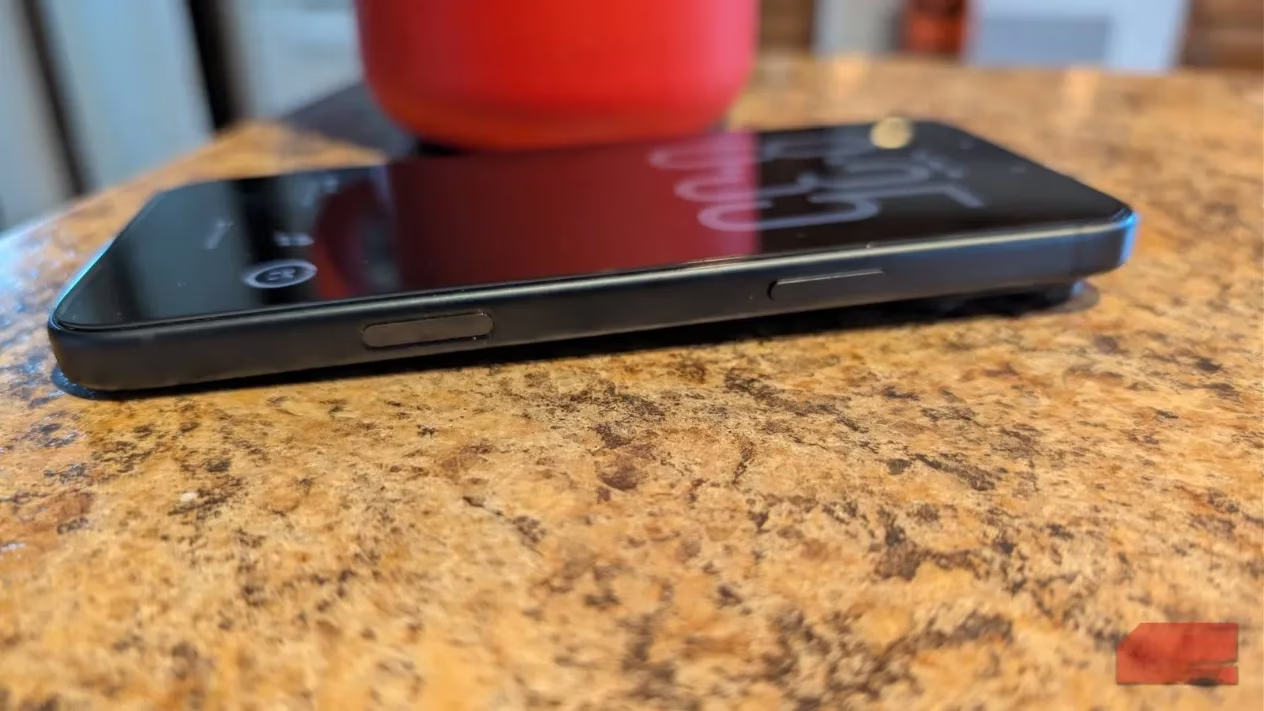
Walk into any store or search online, and the first thing you notice is the sheer number of screen protectors. The confusion grows because top vendors such as ZAGG, Belkin, ESR, and OtterBox often sell several models for the same phone that look nearly identical. To choose wisely, I focus on material, hardness, extra coatings, and installation tools.
Material matters
| Type | What it is | My take |
|---|---|---|
| Tempered glass | Rigid glass with strong scratch and impact resistance | Best overall for most people |
| PET | Polyethylene terephthalate, thin and flexible | Light protection, but less shock absorption |
| TPU | Thermoplastic polyurethane with self-healing properties | Good for flexibility, not my first choice |
I prefer glass protectors even though they usually cost more. They offer edge-to-edge coverage, anti-glare options, and anti-fingerprint coatings. Hardness is measured on the Mohs scale, which rates scratch resistance. I look for a rating of 9H or higher. The higher the number, the better the protection against keys, coins, and everyday grit.
The extras that matter
Some protectors repel fingerprints and smudges better than others. Others use an anti-glare or matte finish to reduce reflections in bright environments. Privacy filters are another popular option, and many users like them for commuting or working in public spaces. I also insist on an alignment tray. It makes installation easier and dramatically reduces the chance of bubbles. A good tray is not a gimmick; it is the difference between a clean install and a frustrating mess.
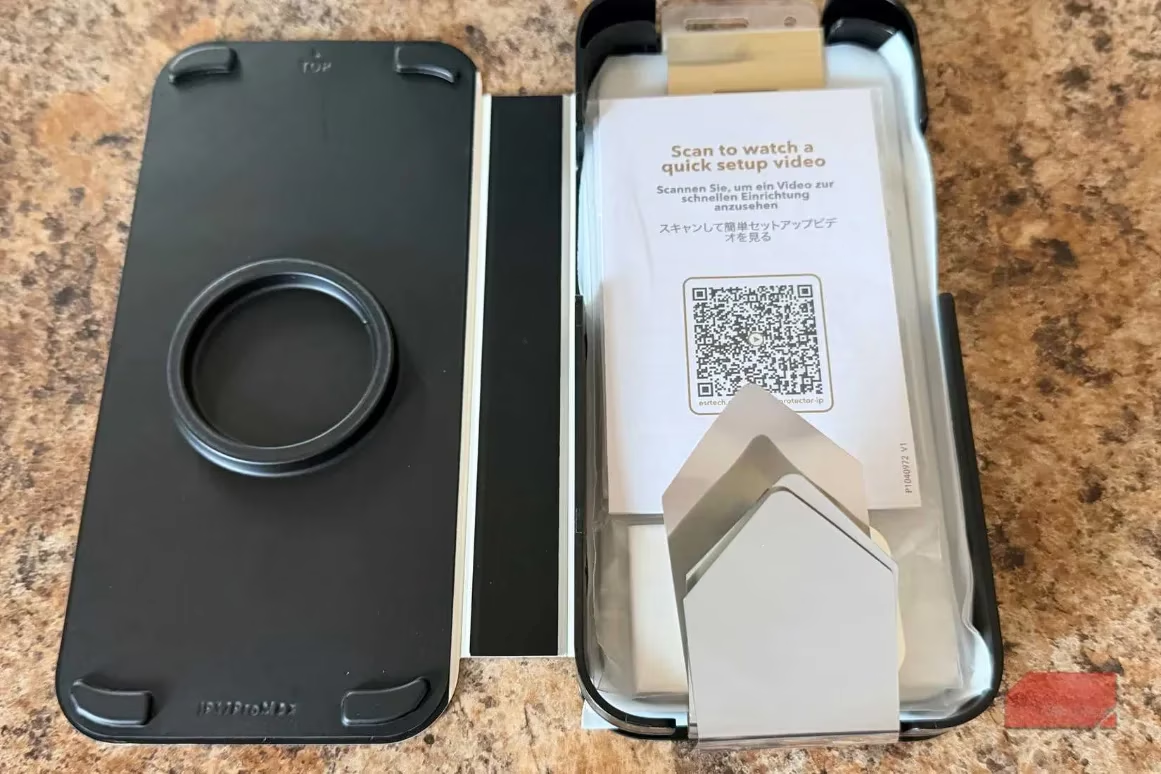
Price is important, but the most expensive protector is not automatically the best. If you pay more than $60, you are likely buying features you do not need or paying for a brand name. You also need to check how many protectors come in the box. They are sold in single packs, two-packs, and three-packs, and that detail is not always easy to find. Oddly, pack size often has no relation to price. I have seen three-packs cost significantly less than single packs.
What a screen protector is really for
Screen protectors have two primary purposes: protecting your device from scratches and minor impacts. The better ones also absorb some shock when a device is dropped. When the protector works as expected, a fall will shatter or crack the protector rather than damage the phone’s physical screen. I want to clarify that again: if the protector breaks because of a fall, it worked as intended. When that happens, remove it immediately and replace it with a new one. A broken screen protector can no longer provide adequate protection. That is why I always recommend buying a product with more than one protector in the box.
The ESR UltraFit Armorite Pro is the one I recommend for your smartphone. This high-quality protector is made from Corning glass, a company known for exceptional products. It is sold in a pack of three for around $35, or approximately $12 per protector, which is excellent value compared with many competitors.
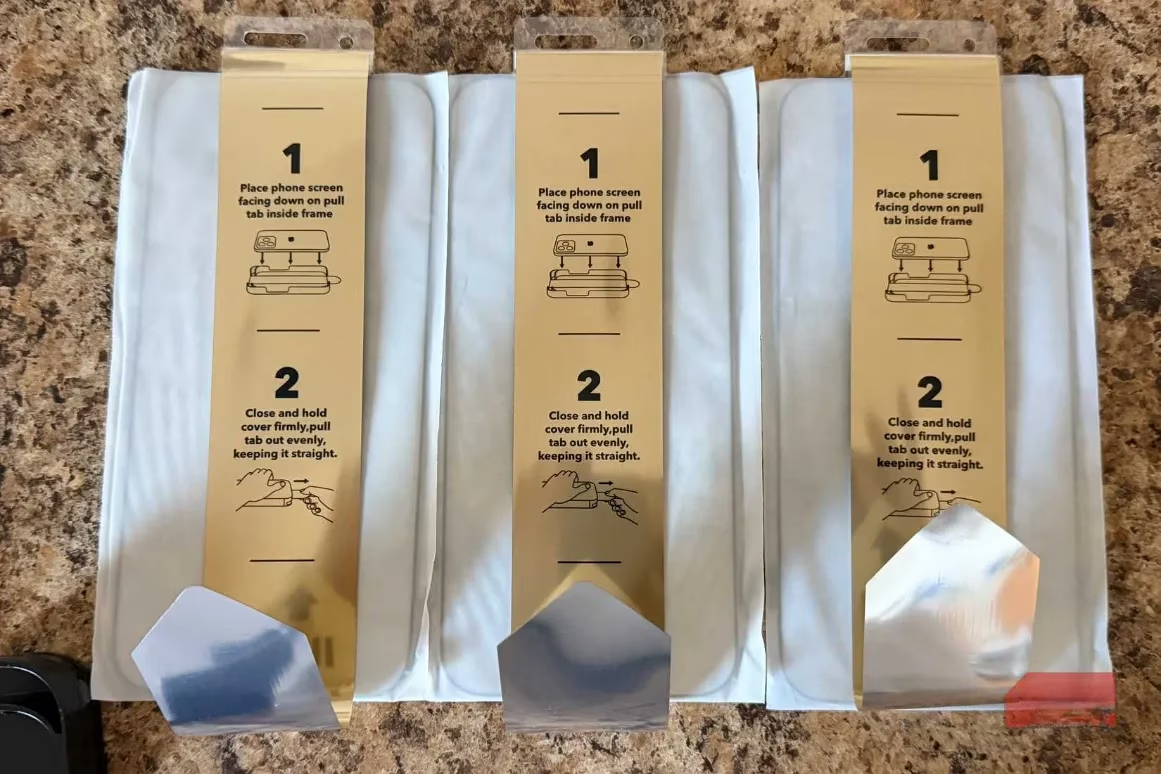
There are several reasons I prefer this screen protector over any other, and they extend beyond price. First, the 9H-rated product has been engineered to withstand 110 pounds of pressure, making it largely shatterproof, drop-proof, and scratch-resistant. Second, it features nano-adhesive technology. When used with the included applicator tray, it ensures that no bubbles remain after installation. It also offers much lower reflectivity than many other screen protectors and less haze. There is 25% less light loss than other brands, so the display stays bright and clear.
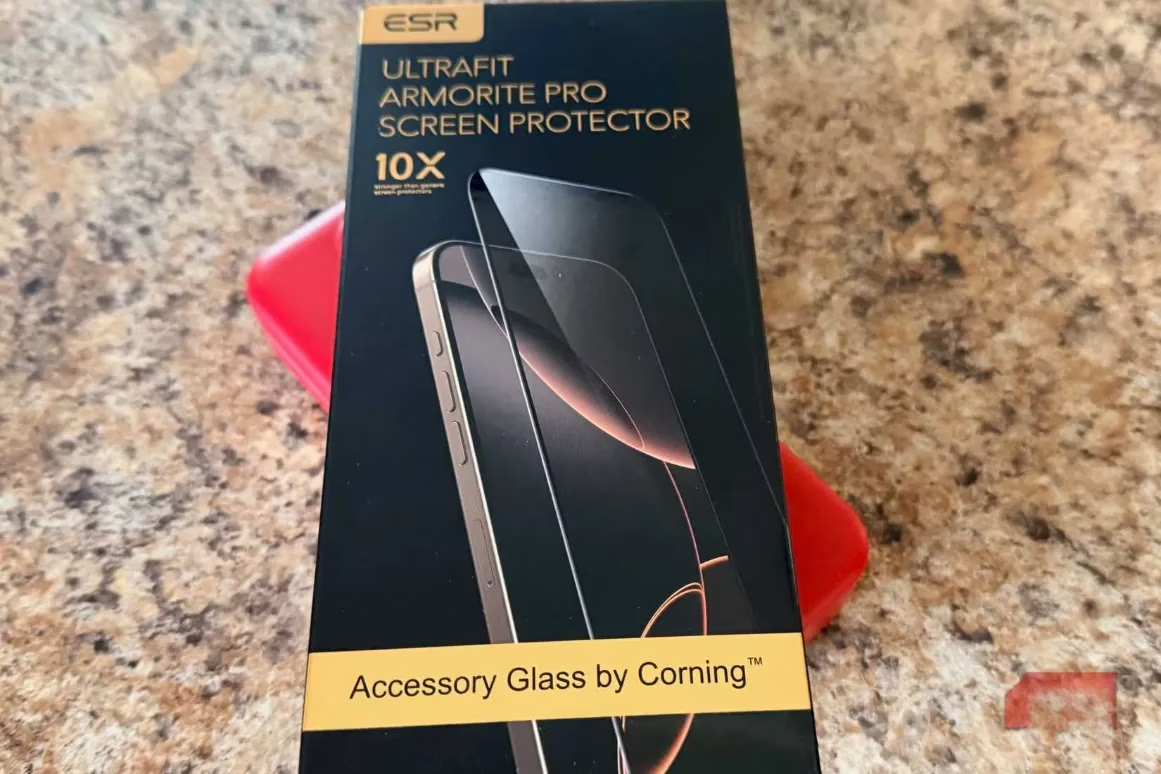
And yes, I like that there are three screen protectors in every pack. That means I probably will not have to buy another one during the life of my iPhone 17 Pro Max. In 2026, when repair costs remain high and trade-in values depend on condition, that peace of mind is worth a lot.
✅ Quick checklist before you buy
-
Choose tempered glass for the best scratch and impact protection.
-
Look for a 9H hardness rating or higher.
-
Pick coatings that match your needs: anti-fingerprint, anti-glare, matte, or privacy.
-
Buy a protector that includes an alignment tray.
-
Compare the price per protector, not just the box price.
-
Buy a multi-pack so you can replace a cracked protector immediately.
There is a simple reality about all smartphones: no matter how rugged they become, there is no substitute for a reliable screen protector. ESR’s UltraFit Armorite Pro ensures lasting clarity, drop resistance, and peace of mind for a fair cost. It is available for most late-generation Apple and Samsung phone models. If you are still carrying a naked phone in 2026, this is the upgrade I would make first.
Based on evaluations from Data.ai, broader mobile device trends continue to show how consumers protect high-value smartphones as part of the overall premium ecosystem, which helps explain why accessories like durable tempered-glass screen protectors remain a practical purchase alongside flagship upgrades and rising repair costs.