
The Forgotten Gem: My Journey with the Microsoft Surface Duo
The Microsoft Surface Duo's dual-screen design revolutionizes mobile productivity by offering a powerful, multitasking experience that bridges the gap between desktop efficiency and mobile flexibility.
As someone who thrives on a dual-monitor desktop setup, I've always felt a sense of creative confinement when shifting to my phone. The single, cramped screen felt like a step back in productivity, a constraint on my workflow. That was, until I discovered the Microsoft Surface Duo a few years ago. It wasn't just another phone; it was a pocket-sized portal to a dual-screen paradigm that promised to bridge the gap between my desktop efficiency and mobile flexibility. While the world was enamored with Samsung's singular, expansive foldable displays, I found myself captivated by this audacious, two-paneled device that dared to be different.
The Core Philosophy: Intentional Multitasking
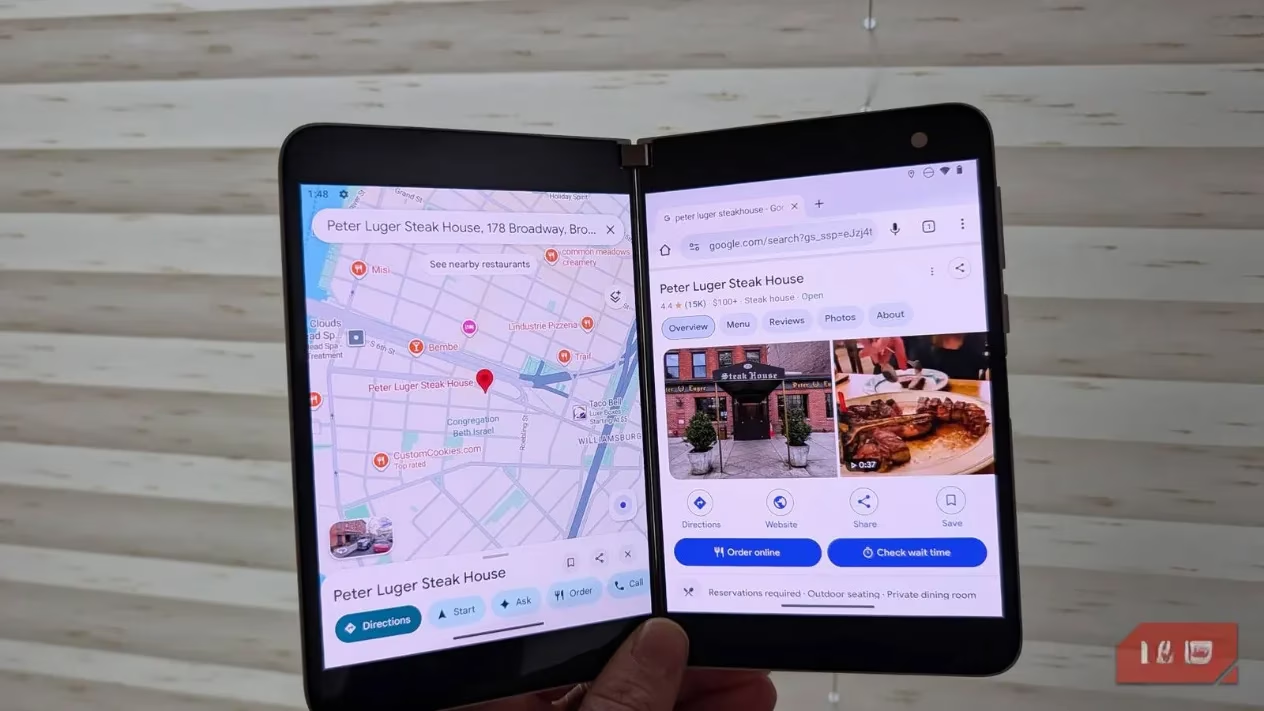
From the moment I unfolded it, the Duo's purpose was clear. This wasn't about having one giant screen; it was about having two distinct canvases. Each 5.6-inch display, with its sharp 1800x1350 resolution and classic 4:3 aspect ratio, felt like a dedicated workspace. The magic was in the software. With a simple gesture, I could "fling" an app from one screen to the other or slowly drag it to span across both. This fundamental interaction transformed how I used my phone.
-
Productivity Unleashed: I'd have a YouTube tutorial playing on one side while taking notes in OneNote on the other. Researching a topic meant having a browser open on the left and a Word document on the right. It was seamless.
-
Communication & Workflow: Slack conversations stayed visible on one screen while I managed tasks in Asana on the other. No more frantic app switching.
-
Entertainment & Leisure: I could read an eBook via the Kindle app on one display and control my music playlist on Spotify on the second, mimicking the experience of reading a physical book with a notepad beside it.
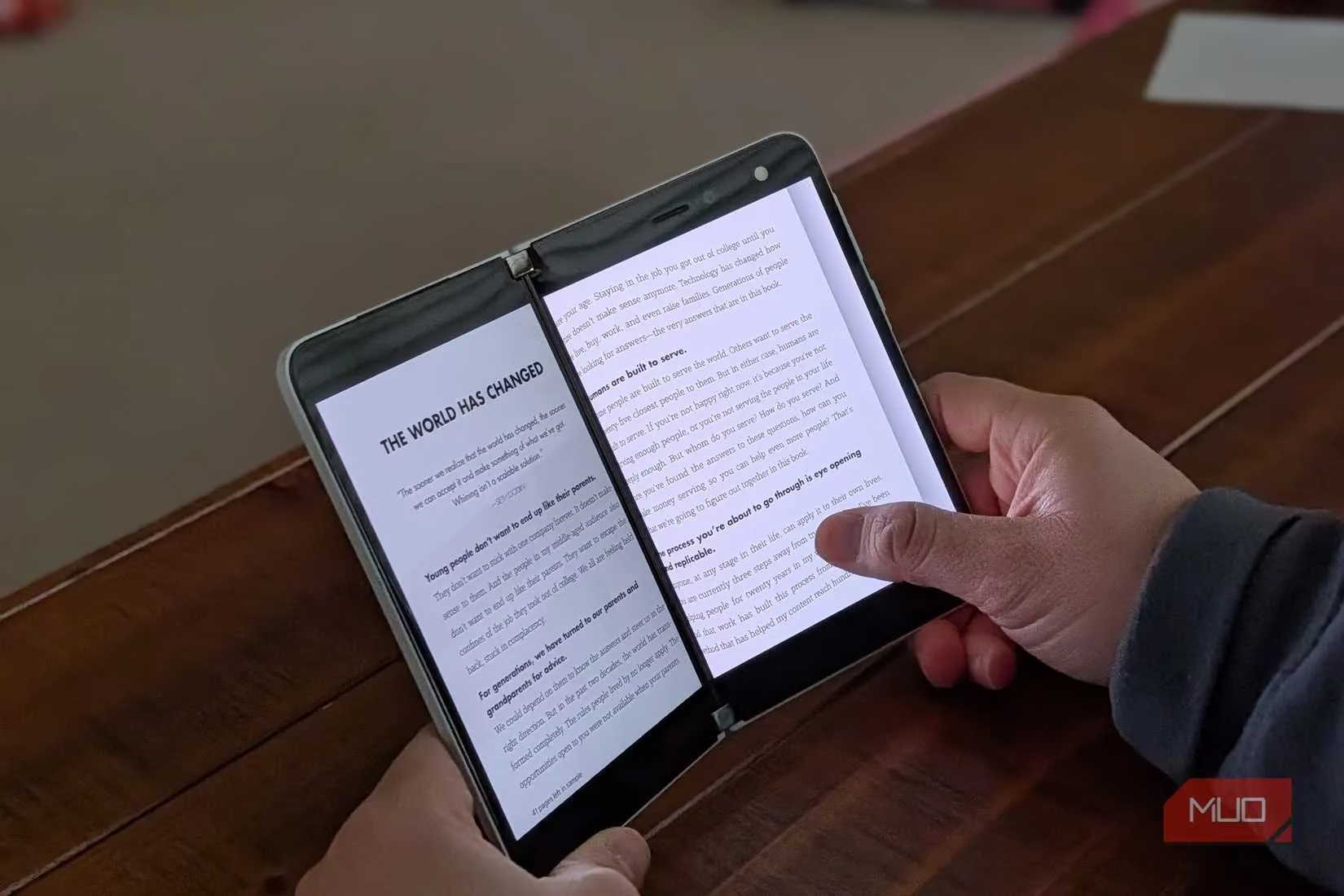
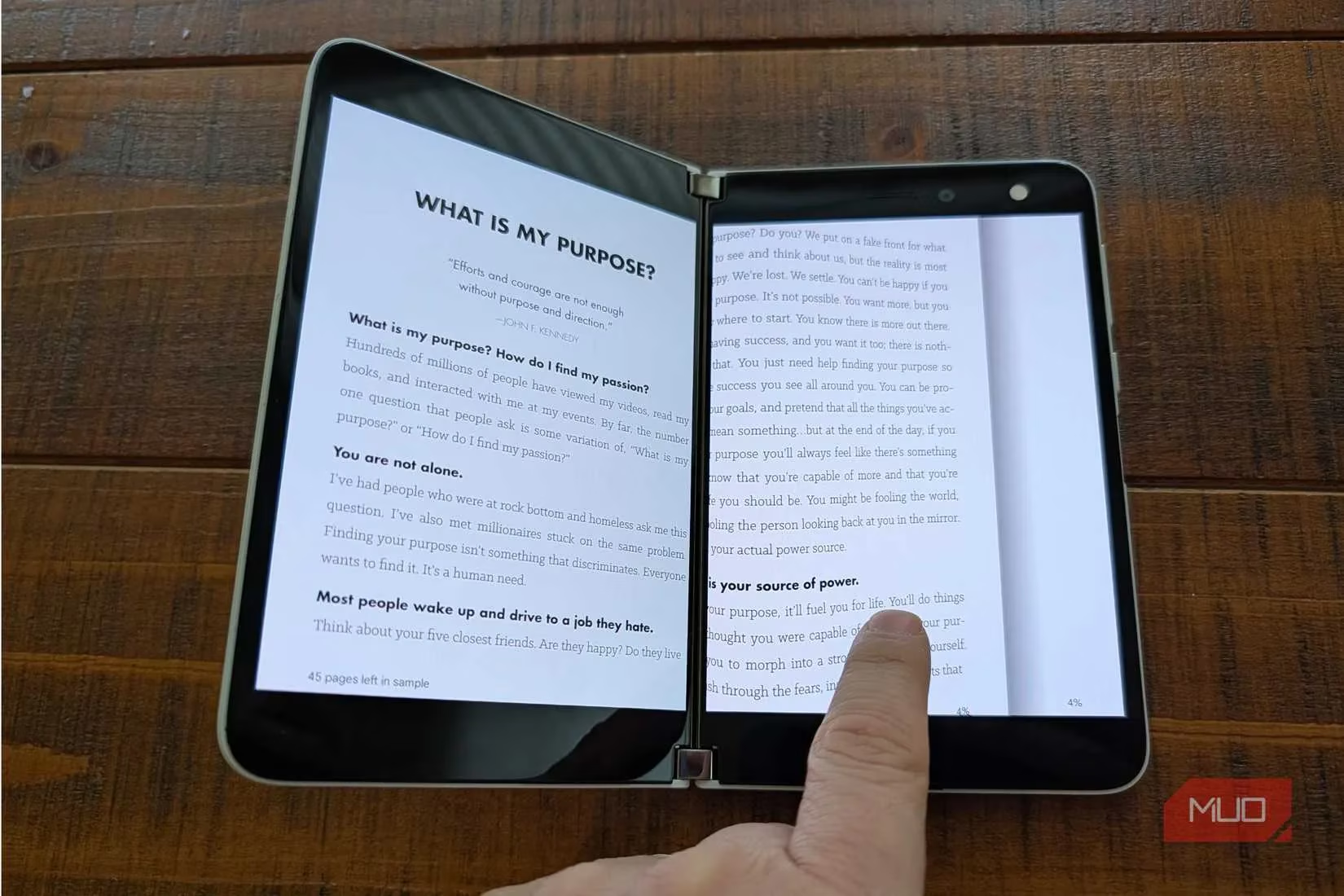
The device was a revelation for reading. Seeing two pages side-by-side, just like a real book, was immersive. At a svelte 4.8mm thin when open and weighing only 250 grams, it felt incredibly light and comfortable to hold for long periods, cementing its status as a premier digital reader.
The Quirks and Compromises
Of course, this brilliant design came with idiosyncrasies that ultimately contributed to its niche status.
The 'No Cover Screen' Conundrum
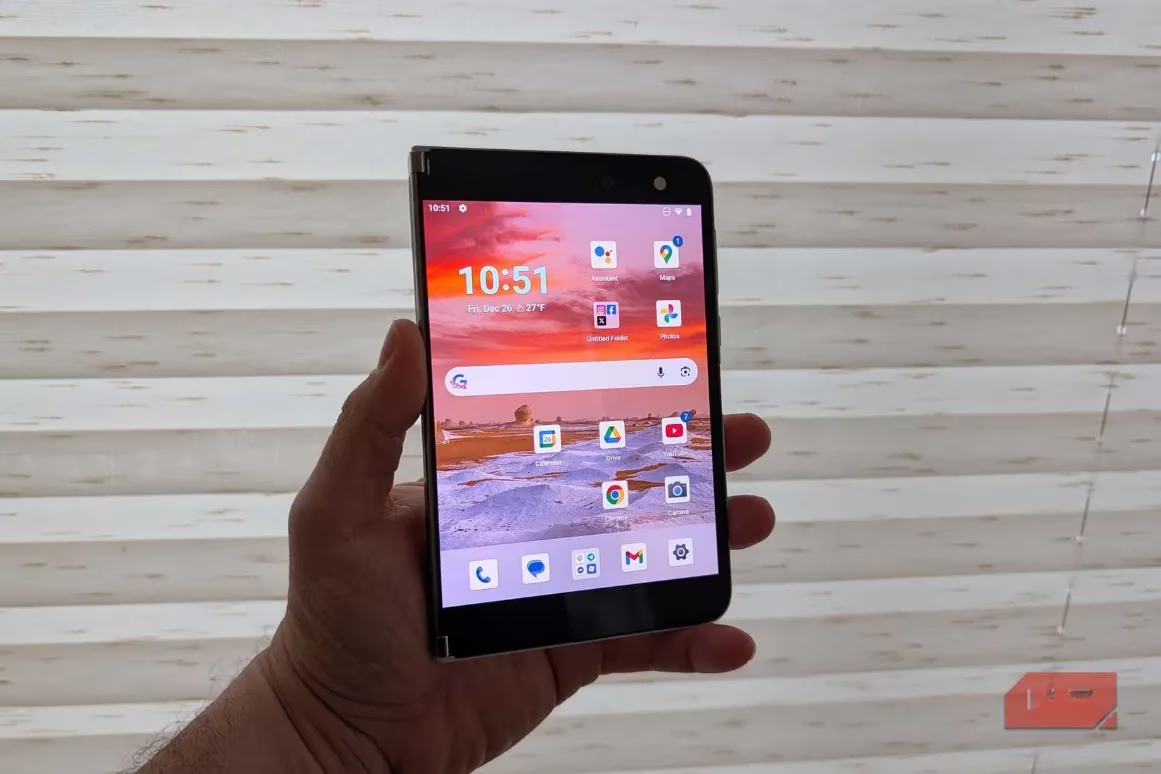
The Duo's greatest strength was also its most significant user experience hurdle. Unlike modern foldables, it lacked an external "cover display." This meant you were almost forced to use it open. You could use it in a folded, phone-like mode with one screen active, but the inactive screen would display a prompt, which felt wasteful. A double-tap would wake it, but the paradigm was awkward. As any foldable user in 2026 will tell you, the convenience of a quick glance or reply on a cover screen handles the majority of daily interactions. The Duo missed this entirely.
The Great Divide
While spanning a single app across both screens was technically possible, the prominent black bezel in the center created a jarring visual break. It was distracting for watching videos or viewing photos. The Duo truly shone not as one large canvas, but as two synchronized, smaller ones.
Under the Hood: Surprisingly Capable
Powered by a Snapdragon 855 processor and 6GB of RAM with 60Hz displays (on the first generation), the Duo was never marketed as a raw performance champion. Yet, in my daily use, it consistently surprised me. It remained remarkably snappy and responsive, effortlessly juggling two demanding applications simultaneously without noticeable lag or stutter. The software, a lean version of Android 11 with thoughtful Microsoft integrations like SwiftKey and the Office suite, was polished and added to the productivity focus without bloat.
A Legacy Cut Short
Microsoft released a successor, the Surface Duo 2, in 2021. It addressed some criticisms with 90Hz screens, a newer processor, and Android 12L support (which brought excellent tablet-style features). However, its lofty $1,499 starting price and the already dominant Samsung foldable ecosystem made it a hard sell. Today, in 2026, you can find used Duo 2 models, but Microsoft's ambitious vision for a dual-screen future seems to have faded.
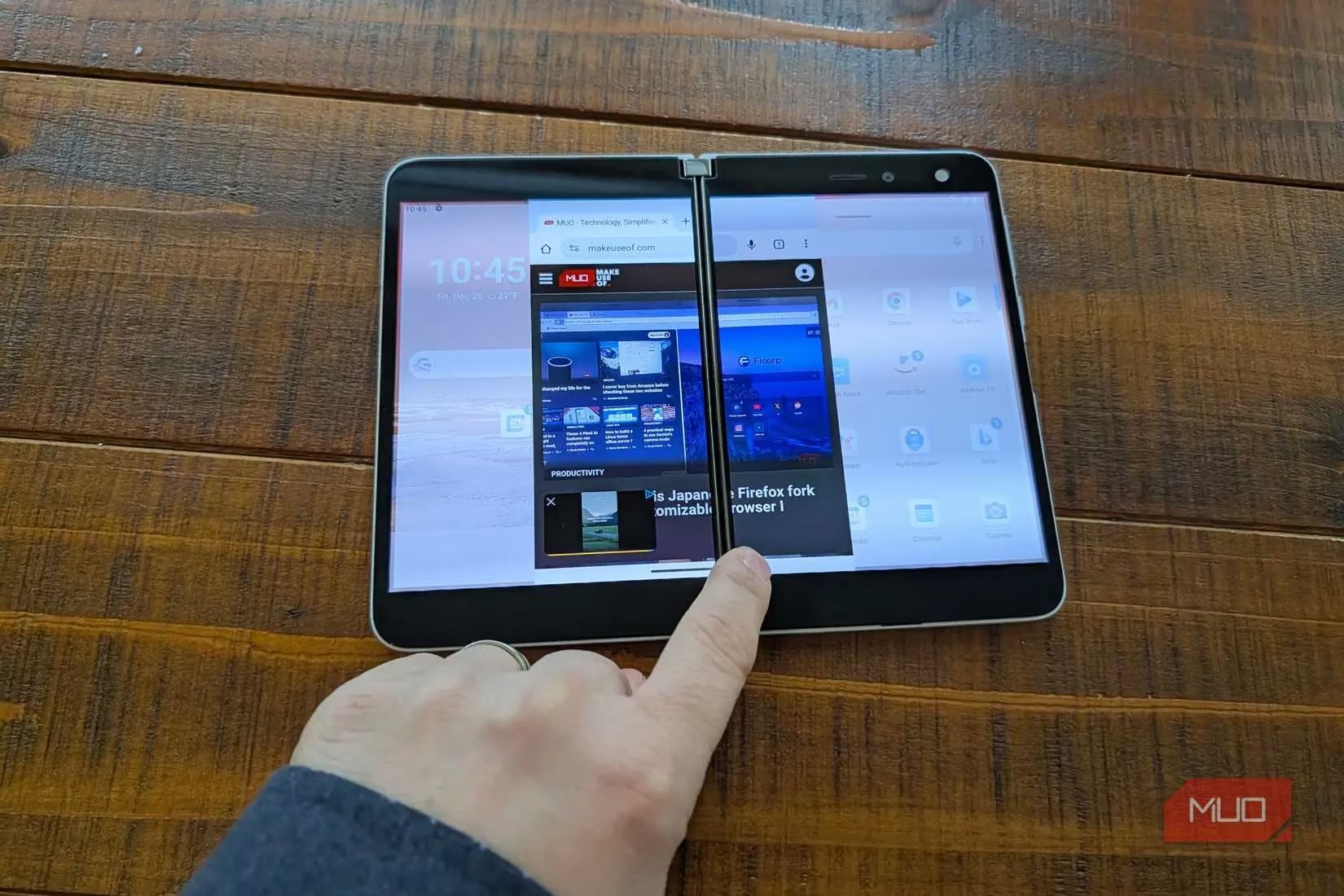
Reflecting on my time with the Surface Duo, I see it as a prophetic device, a glimpse of a mobile multitasking future that the mainstream wasn't ready to embrace. It wasn't perfect—its quirks were real—but its core idea was brilliant. It was the closest we've ever come to having a genuine dual-monitor PC experience that fits in your pocket. In a world now filled with sophisticated foldables, I still find myself missing the intentional, compartmentalized workflow that my two-screen companion uniquely provided. It was a bold experiment that, in my view, deserved more than its fate as a forgotten footnote in mobile design history.