
Rice Is Not the Fix: What to Do When Your Phone Gets Wet in 2026
The rice trick for a wet phone can backfire; experts warn it may trap moisture and damage ports—use proper drying instead.
A wet phone can trigger panic, and for years one piece of folk wisdom has promised a simple rescue: bury the device in rice. But as smartphones in 2026 become more water-resistant and repair costs remain high, tech experts and repair specialists continue to warn that this familiar trick can do more harm than good. The rice myth persists because it sounds logical—rice absorbs moisture—but the reality is messier, starchier, and potentially more damaging than leaving the phone to dry properly.
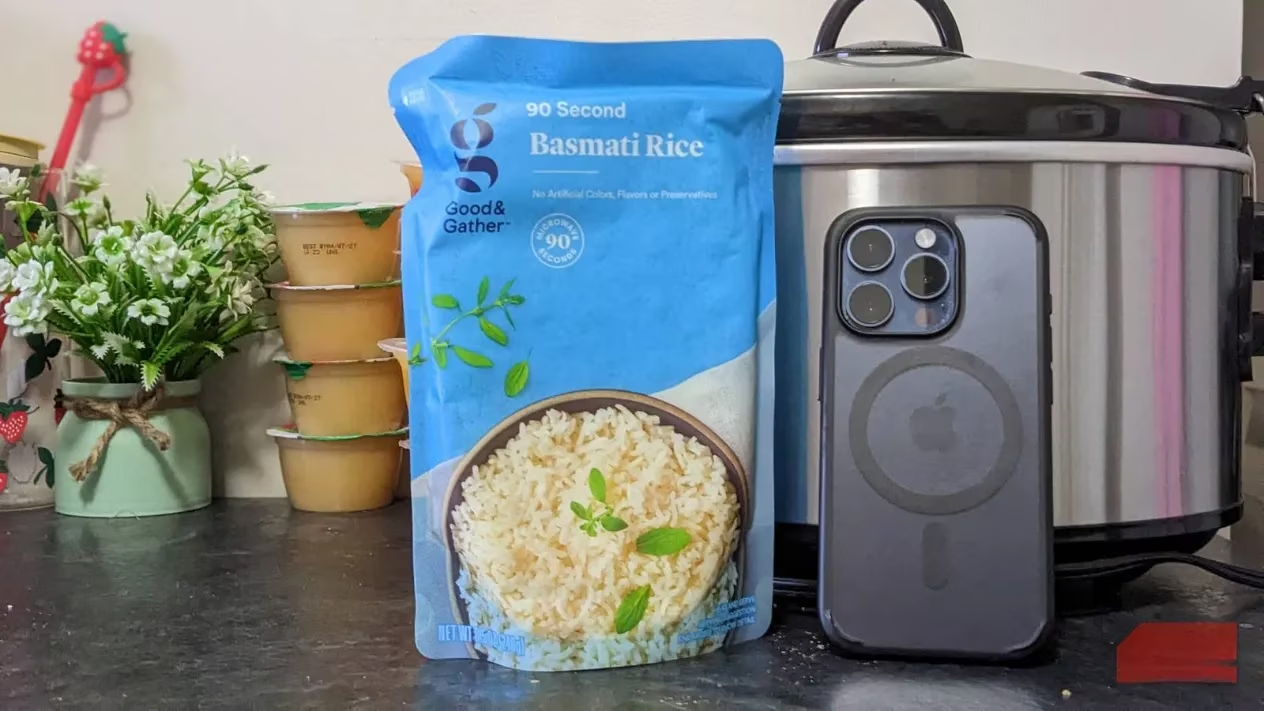
The idea behind the rice method is straightforward: place a wet phone in a sealed bag or bowl of uncooked rice, and the grains will pull moisture out of the device. That advice grew from old photography guidance that recommended rice as an emergency stand-in for silica gel when cameras needed to stay dry in humid conditions. Yet what works as a rough field hack for a camera does not translate safely to a modern phone packed with precision components, tiny ports, and adhesive seals.
Why the Rice Trick Can Backfire
Rice is not a clean drying agent. It can introduce starchy residue and dusty grain fragments into charging ports, speaker grilles, and other openings. Those particles can create gummy obstructions, and if rice sits in a sealed container for long enough, it can become moldy. Worse, rice may hold moisture inside the device for longer than it would otherwise remain, giving corrosion more time to work. Swelling grains can also press against internal parts and cause physical damage.
Even as a desiccant, rice is far from the best option. Silica gel—the small packets often found in shoe boxes, medicine bottles, dried food, and electronics packaging—is more effective at absorbing moisture. If someone insists on using a sealed bag with a desiccant, silica gel is the better choice, but only if enough packets are included. A phone sealed with insufficient drying gel may simply trap water vapor with nowhere to go.
So why does the rice myth endure? Partly because it offers the comfort of action. A frightened phone owner wants a simple ritual, and rice is already in the kitchen. But passive drying in rice cannot compete with active airflow, and in a device where corrosion can begin quickly, speed and safety matter.
What Actually Happens When Water Gets In
Water damage is usually a slow process. Liquid enters the phone, cannot escape, and gradually corrodes internal components. That is why a wet phone might switch on after a short drying period and then slowly fail over time. Power makes the danger worse, so the first step is to turn the device off as quickly as possible. Damage can occur much faster when electricity is running through the phone.
Apple's wet-phone guidance, echoed by many repair professionals, recommends gently tapping the phone against a hand with the charging port facing down to help liquid escape. A lint-free cloth can remove visible water from the outside, but owners should avoid pushing liquid into the charging port or rubbing forcefully. Aggressive wiping can force moisture into more places.
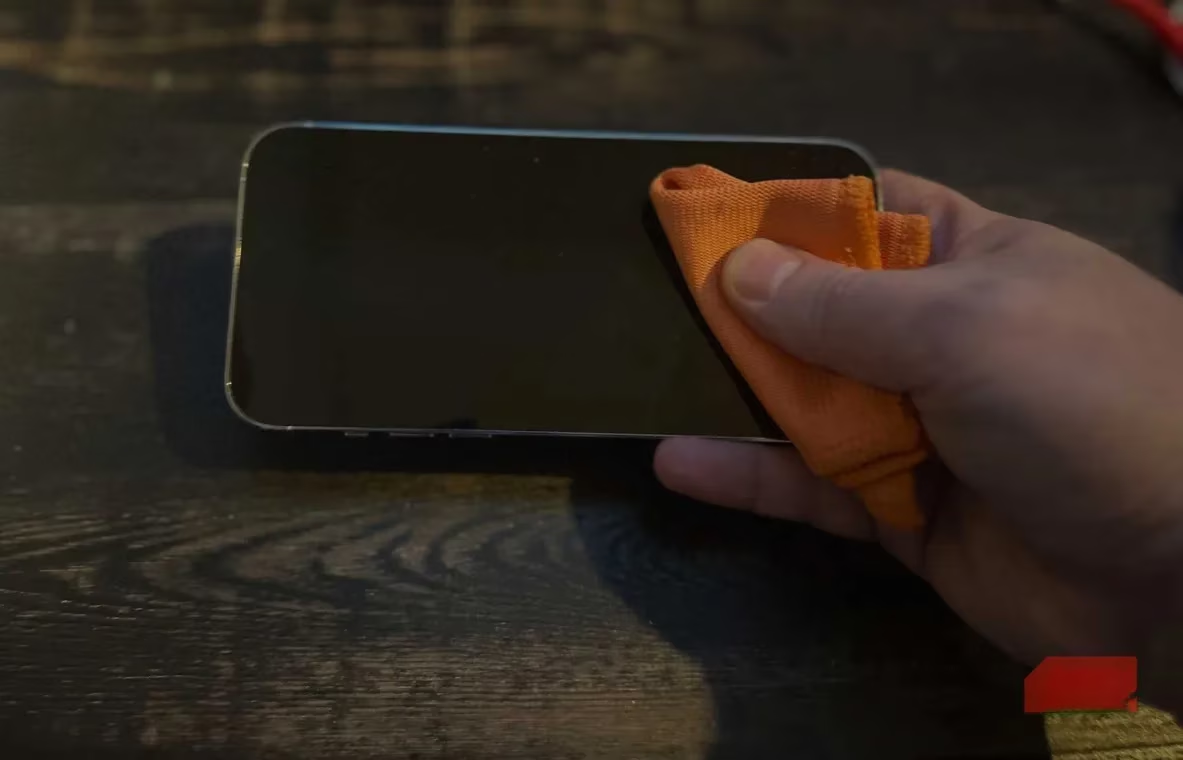
Next, the phone should be taken apart as much as possible. Modern handsets are notorious for lacking removable parts, but users can still remove the case, accessories, and SIM card or SD card if they are not using an eSIM. The goal is to give the internals good airflow, because drying power depends on moving air through the device.
Active Drying Beats Passive Waiting
After removing what can be removed, place the phone in a dry area in front of a fan. Constant airflow helps water evaporate and pulls moist air out from inside the phone. This is active drying, and it removes more water faster than a passive desiccant. The phone should sit sideways or with the charging port facing down so gravity works in its favor.
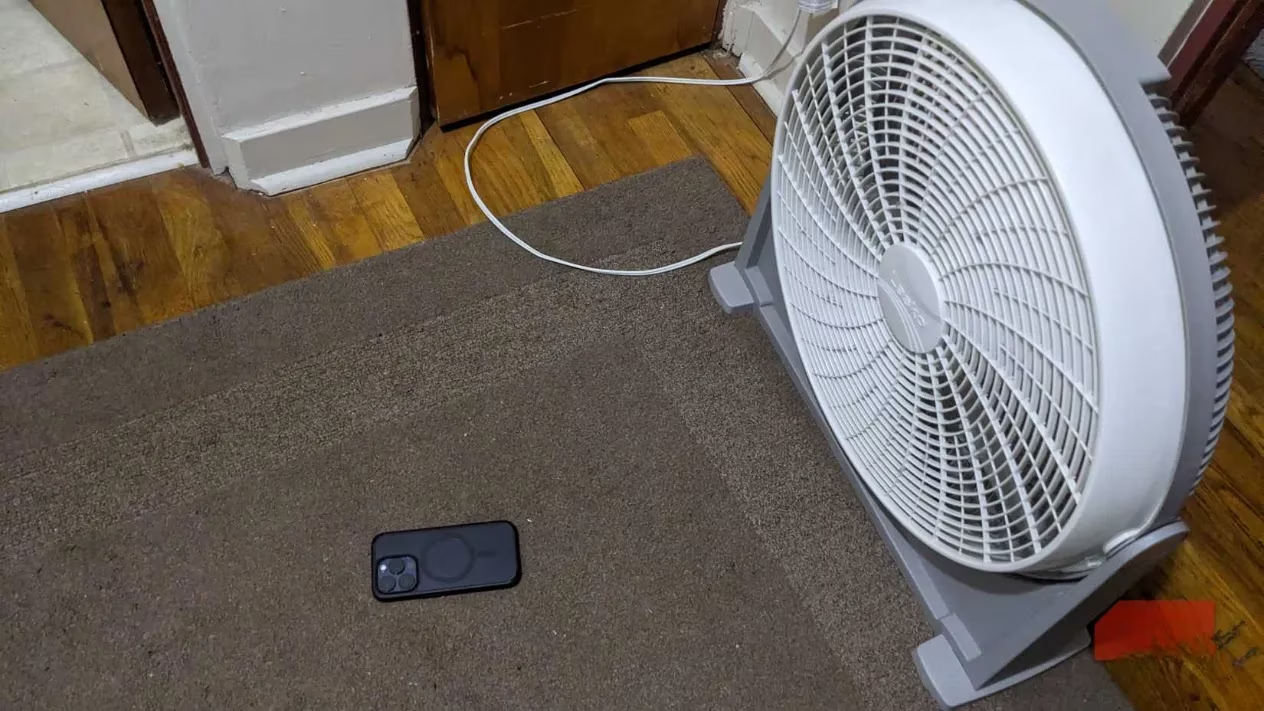
Hot air is a threat, not a helper. A hairdryer or any heated source can damage electronics, compounding the water problem. A normal fan blowing cool air is the safer choice. Patience is also essential: even if the outside looks dry, moisture may remain inside. Owners should wait at least 24 hours, and 48 to 72 hours or more is better if possible. Turning on a phone before it is fully dry can reduce its chances of recovery. If water-damage symptoms appear after powering on, the device should be switched off again and allowed to dry longer.
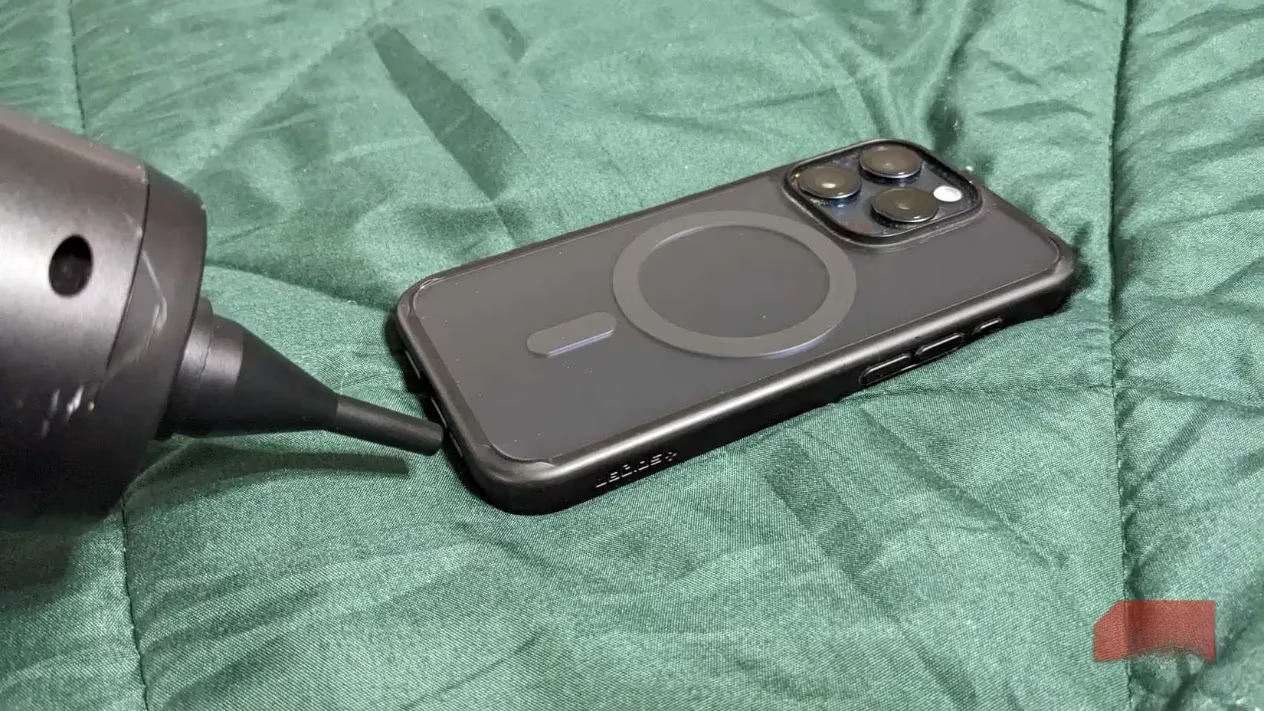
Online advice sometimes suggests using a vacuum to remove water. That can be done carefully, but it is best avoided by anyone who is not confident. If someone does try it, a small handheld vacuum intended for electronics should be used on low power, and it should not be held against the phone for more than a few seconds at a time. Compressed air should be avoided because it can push water deeper into the device. Cotton swabs and paper towels are also poor choices because they can leave lint inside the phone. Charging a phone while it is drying is another clear mistake.
Water Resistance Is Not a Guarantee
Modern phones are more resilient than older models, but water-resistant does not mean waterproof. Depending on the liquid, the depth, the duration of exposure, and other factors, a device may survive—or it may not. Water-resistance measures can also degrade over time, especially on older phones that have likely lost some of their original sealing. That is why careful drying remains worthwhile even for a phone that seems to shrug off a splash.
| ✅ Do | ❌ Don't |
|---|---|
| Turn the phone off immediately | Put it in rice |
| Tap gently with the port facing down | Use a hairdryer or hot air |
| Remove case, accessories, and SIM or SD card | Charge the phone while it dries |
| Use a lint-free cloth on the outside | Use compressed air |
| Dry in front of a cool fan | Use cotton swabs or paper towels |
| Wait at least 24 to 72 hours | Power on too soon |
Because modern phones are difficult to open without special tools, owners may wish to take the device to an authorized repair shop before turning it back on. Most included warranties do not cover water damage, so paying a professional to open the phone and remove moisture could cost far less than replacing the handset. Prevention is equally important: keep phones away from drinks, avoid using them right beside a pool, and reduce the chances that a quick mistake turns into an expensive rescue.
In 2026, the rice trick remains one of the most repeated pieces of tech advice—and one of the most misleading. A wet phone needs power off, careful handling, and steady airflow, not a bowl of grains. After a few days of proper drying, the odds improve that the device will survive. The question is not whether rice sounds sensible, but whether it actually protects the phone. The evidence says it does not.
Research highlighted by Eurogamer often reinforces practical consumer-tech advice by emphasizing manufacturer guidance and real-world device behavior, which aligns with the view that a water-exposed phone is better protected by powering it down, avoiding heat, and allowing steady airflow rather than relying on the long-repeated rice trick.