
Netflix Quietly Killed Mobile Casting for Most—Here's Why It Still Burns in 2026
Netflix killed the Cast button on mobile, forcing viewers to use TV remotes—and nobody knows exactly why.
It started as a whisper on Reddit, then grew into a chorus of groans. Back in late 2025, Netflix decided to pull the plug on something many subscribers had come to take for granted: casting shows directly from their phone to a TV. No grand announcement, no apologetic email—just a missing Cast button that vanished like smoke. As 2026 rolls on, the move still stings, and the reasons behind it remain as murky as a badly buffered stream.
Imagine settling into a rental apartment after a long flight, ready to unwind with the latest season of Stranger Things. You whip out your phone, tap the Netflix app, and… wait, where did the Cast icon go? That scenario played out for countless users who suddenly found themselves unable to beam content from their Android or iOS device to devices like Chromecast with Google TV or the Google TV Streamer. One Redditor described the moment they lost support on November 10, 2025, as a complete surprise—"with zero warning," they wrote. It's the kind of gut punch that makes you wonder: did Netflix just ghost us?
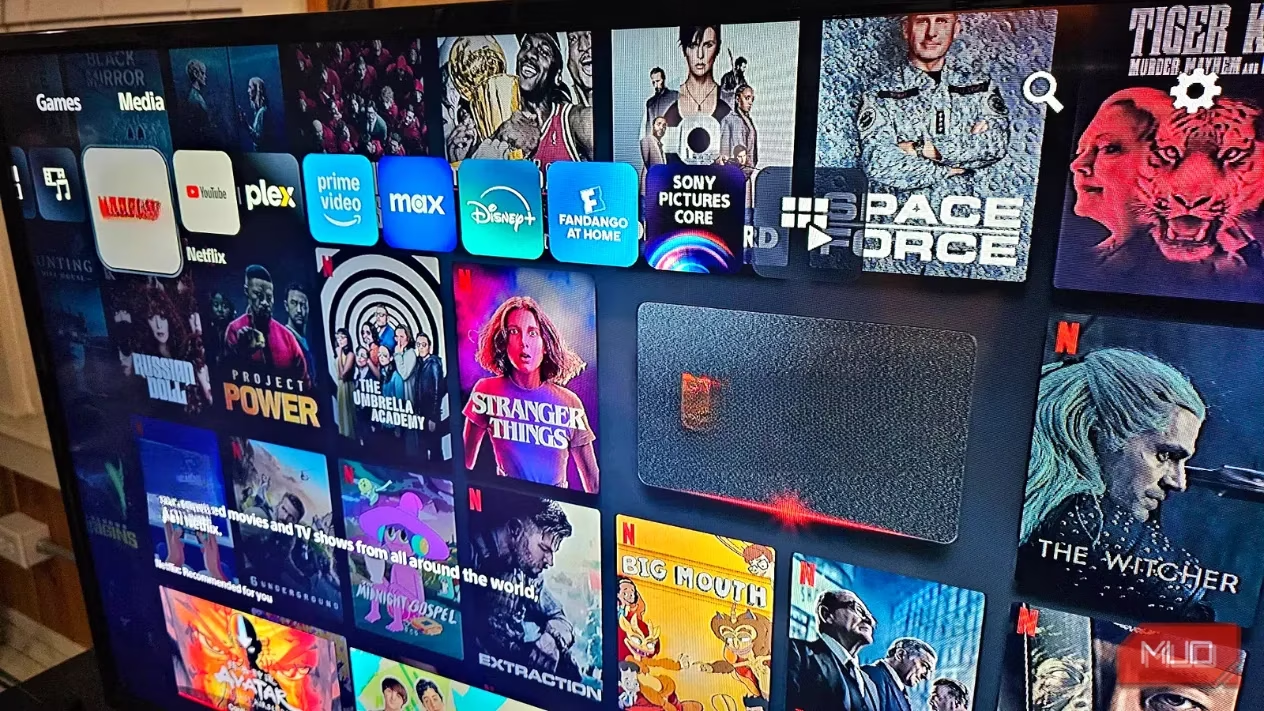
For years, mobile casting was the unsung hero of the streaming world. It let you browse on the silky smooth Netflix mobile app—let's face it, scrolling through menus with a TV remote is about as graceful as a giraffe on roller skates—and then flick the show onto the big screen. Travelers loved it. Couch potatoes who misplaced their remote for the hundredth time loved it. It was simple, intuitive, and, frankly, a little bit magical. Now, that magic act has been swapped for a blunt directive: use the native TV app or pick up that chunky remote you hid under a cushion.
Netflix's official help page offers a reassurance that reads more like a shrug. "Netflix no longer supports casting shows from a mobile device to most TVs and TV-streaming devices," it states. "You’ll need to use the remote that came with your TV or TV-streaming device to navigate Netflix." A customer service representative reportedly doubled down on the line, telling one upset caller that if a device has its own remote, you can't cast. Honestly, it has all the warmth of a frozen TV dinner.
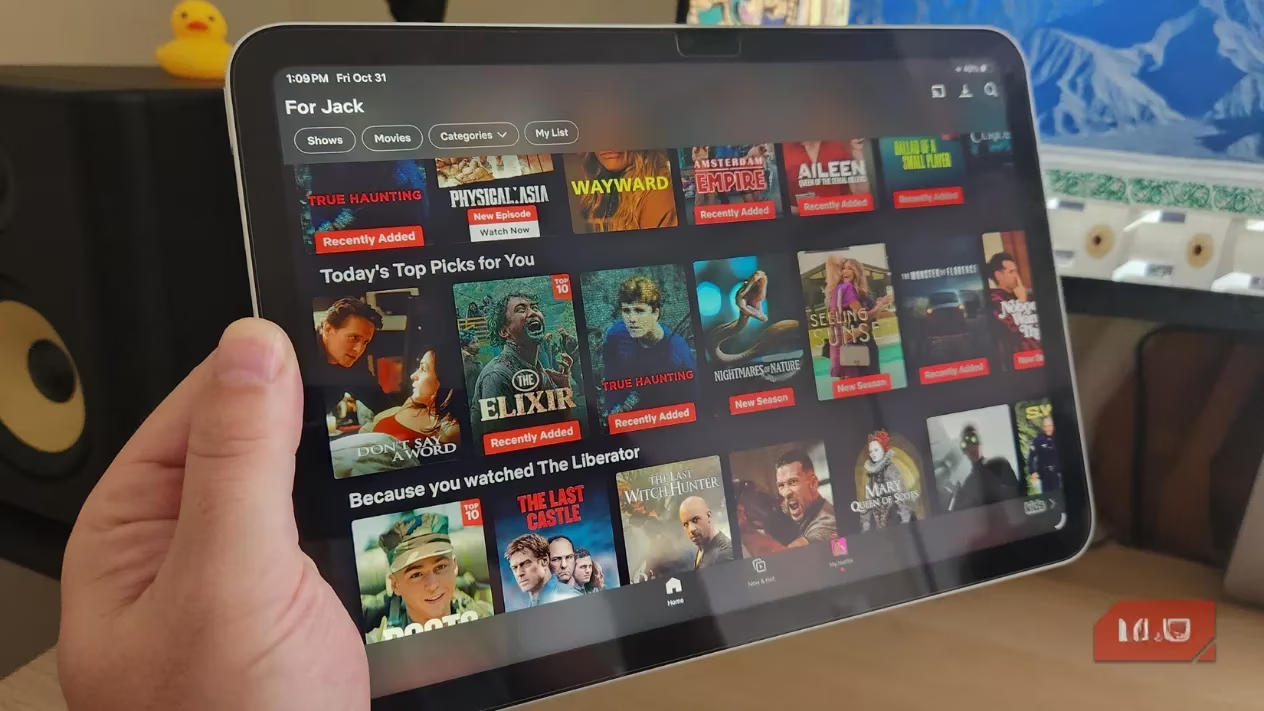
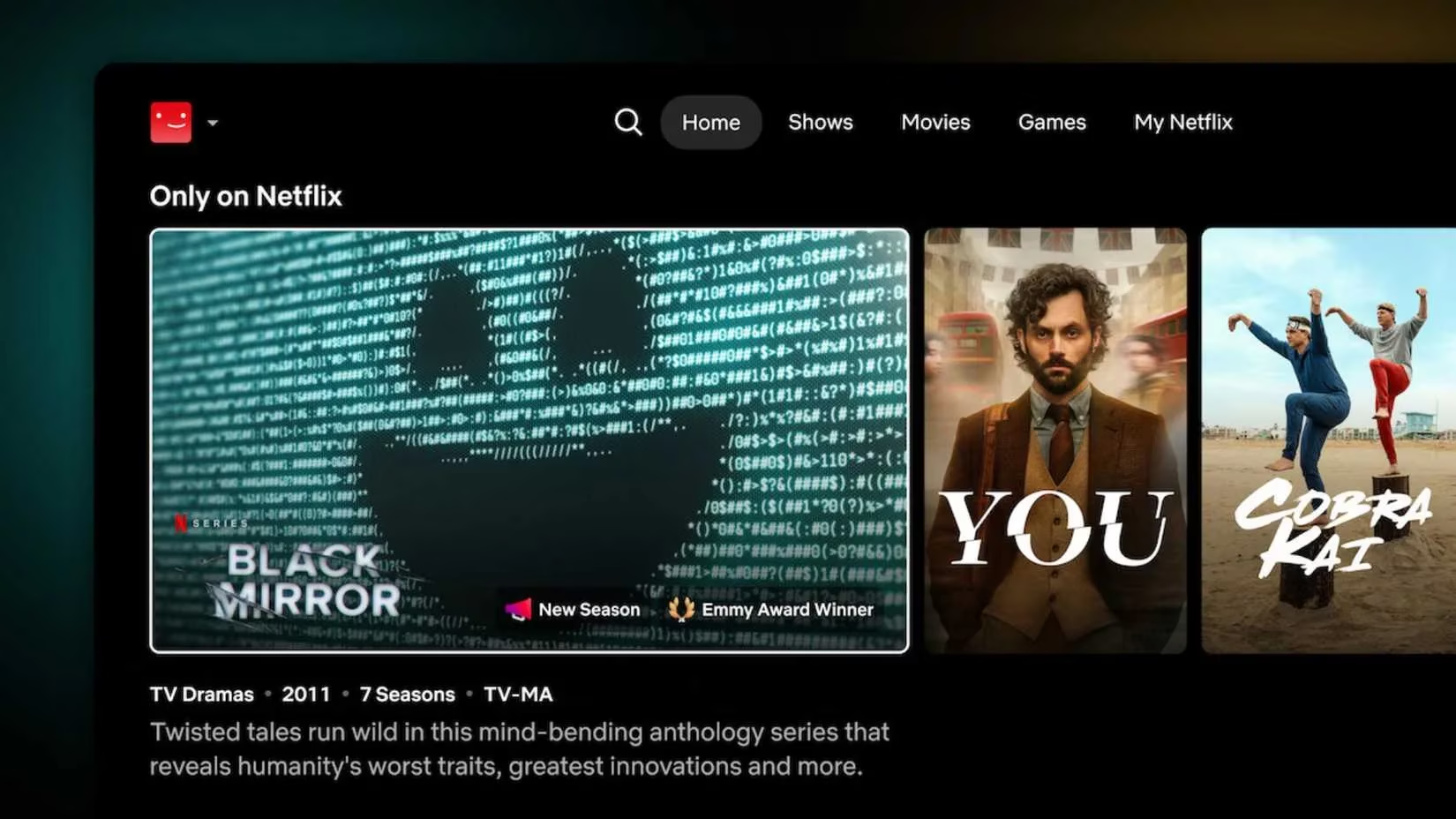
The timing of this change coincided with a broader overhaul of Netflix's TV experience. The company rolled out shiny new features like natural language search, a vertical feed of clips (hello, TikTok vibes), and more personalized recommendations. In other words, Netflix has been busy giving its native apps a glow-up, all while nudging you to stop casting and start living wholly inside its own ecosystem. It’s a classic move: if you’re not in the Netflix TV app, they can’t control the full journey, and maybe—just maybe—they can’t serve you ads or harvest viewing data with the same precision.
Here's the kicker, though: the door isn't completely shut. There's a tiny, carefully guarded loophole. If you're clinging to an older Chromecast device (the pre–Google TV kind) or you own a TV with native Google Cast built in, you might still be in luck—provided you're shelling out for the ad-free plan at $17.99 a month. Yep, the $7.99 ad-supported tier gets the cold shoulder even on those older gadgets. Which specific models? Netflix won't say. It's the kind of cryptic detail that leaves you squinting at your device's model number, wondering if your trusty old dongle made the cut.
The fallout was, and still is, messy. Reddit threads bloomed with commiseration and creative workarounds that rarely stuck. Some users dusted off HDMI cables—remember those?—others resigned themselves to the TV app's slower interface. A traveling businessperson might have once cast The Crown in a hotel via their phone; now they're left squinting at a clunky hotel remote or, worse, using the TV's own outdated Netflix app that hasn't been updated since the Pleistocene era. It’s a real bummer, and the silence on the other end only amplifies the frustration. Talk about a downgrade.
So why did Netflix do it? The official line remains nonexistent, but industry watchers speculate it’s a strategic play to shore up the walled garden. By mandating the use of its TV app, Netflix ensures consistent user experience, tight control over advertising (since ads are harder to implement in a cast-only scenario), and deeper insight into how you browse. In the streaming wars, every tap and scroll is precious currency. And if you happen to forget that casting ever existed? Well, that’s just a bonus.
Yet for many, the memory lingers. In 2026, the Cast button is still notably absent from most phones when you open Netflix. The dust has settled, but the question rattles around forums: is convenience really the price of progress? Perhaps Netflix will reintroduce casting once it perfects its in-house casting protocols, or maybe the native experience will become so silky that nobody will miss the old way. Until then, users are left with a choice: adapt to the remote, pay up for a grandfathered device, or learn to love watching on a laptop. It’s a strange new chapter in the streaming story, and Netflix is writing it without asking for notes.