
How I Slashed My Energy Bills and Beat the Winter Drafts Using a Phone's Infrared Eye
Discover how the Seek Thermal Camera and door threshold adjustments can transform your drafty Philly home into a cozy, energy-efficient haven.
Man, oh man, let me tell you, last winter in Philly was a total nightmare! My house wasn't just drafty; it was like living inside a colander while a polar bear blew a hairdryer on full blast through the holes. Every time that November wind kicked up, I could literally feel my hard-earned cash being vacuumed straight out of my wallet and into the heating system. I was cranking the thermostat so high I'm surprised the neighbors thought I was growing tropical plants indoors. But then, I discovered the ultimate power-up, a game-changer that let me see the invisible enemy: cold air. And I'm not talking about some ghost-hunting nonsense; I'm talking about a legit thermal camera that plugs right into my phone. This gadget was my cheat code to finding every single leak, and the results? Absolutely bonkers. I went from shivering in my own living room to lounging in cozy, affordable warmth. It's 2026, and this tech is more accessible and mind-blowing than ever.
The Infrared Revelation: My Secret Weapon
This, my friends, is the Seek Thermal Camera. Think of it as giving your phone X-ray vision, but for heat. It's available for both iPhone and Android, and the companion app is free. Using it is a piece of cake. You fire up the app, and suddenly, the world is painted in a fiery rainbow of temperatures. 🔥 Red, orange, yellow? That's the warm stuff, the cozy vibes. But then you see green and that chilling, icy blue? That's the enemy—the cold air sneaking in like a thief in the night.
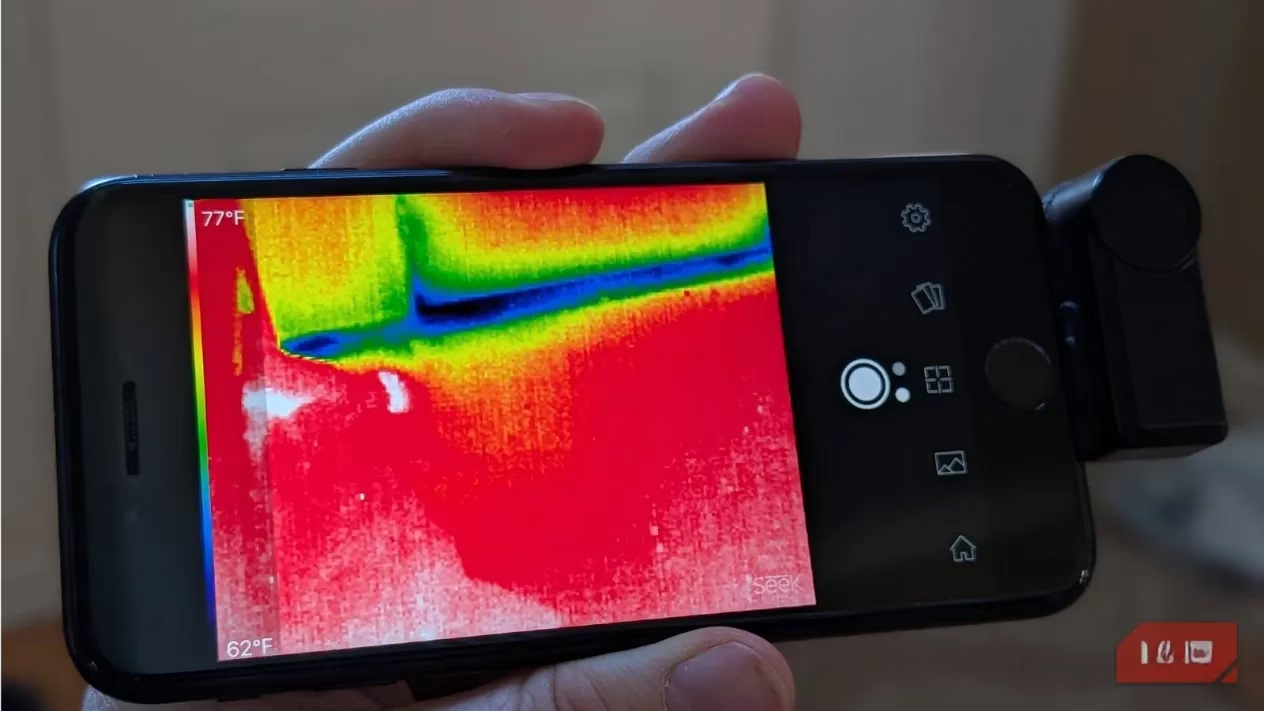
I just walked around my house, pointing this magical little dongle at windows and doors. The viewfinder instantly showed me exactly where the Arctic was staging its invasion. The best part? You can take infrared photos right in the app. This was a total game-saver for me. I could snap a pic of a leaky doorframe, go fix it, and then take another to see my handiwork in glorious, color-coded detail. All the photos save to your camera roll, so you've got a permanent "before and after" victory album.
The Biggest Culprit: The Door Threshold
Armed with my thermal intel, I went on the offensive. And let me tell you, the primary villain in my home's energy-heist story was shockingly simple: the door threshold, also known as the door bottom seal. You know that little adjustable wooden or metal strip at the bottom of your exterior doors? That thing is the frontline defense!
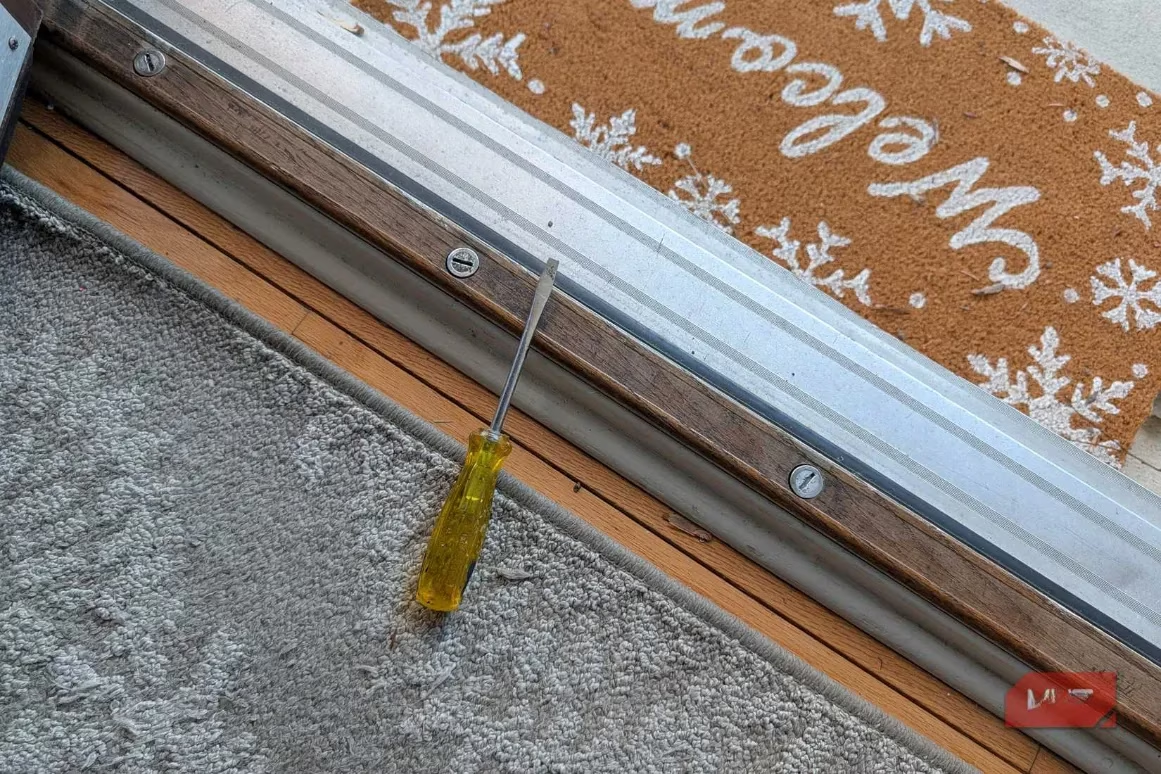
Here's the pro-tip that saved me a fortune: grab a flathead screwdriver. Those screws on the threshold? Give them a quarter or half turn to raise the seal. It's that easy! I'm not kidding. I did a lap around my house, and the thermal camera showed massive blue cold spots under every exterior door. After a few gentle turns (lefty-loosy to adjust, righty-tighty to secure), I raised those seals. The difference was night and day. Just be careful not to raise it too much, or you'll be doing a full-body slam to close the door—a little fine-tuning fixes that.
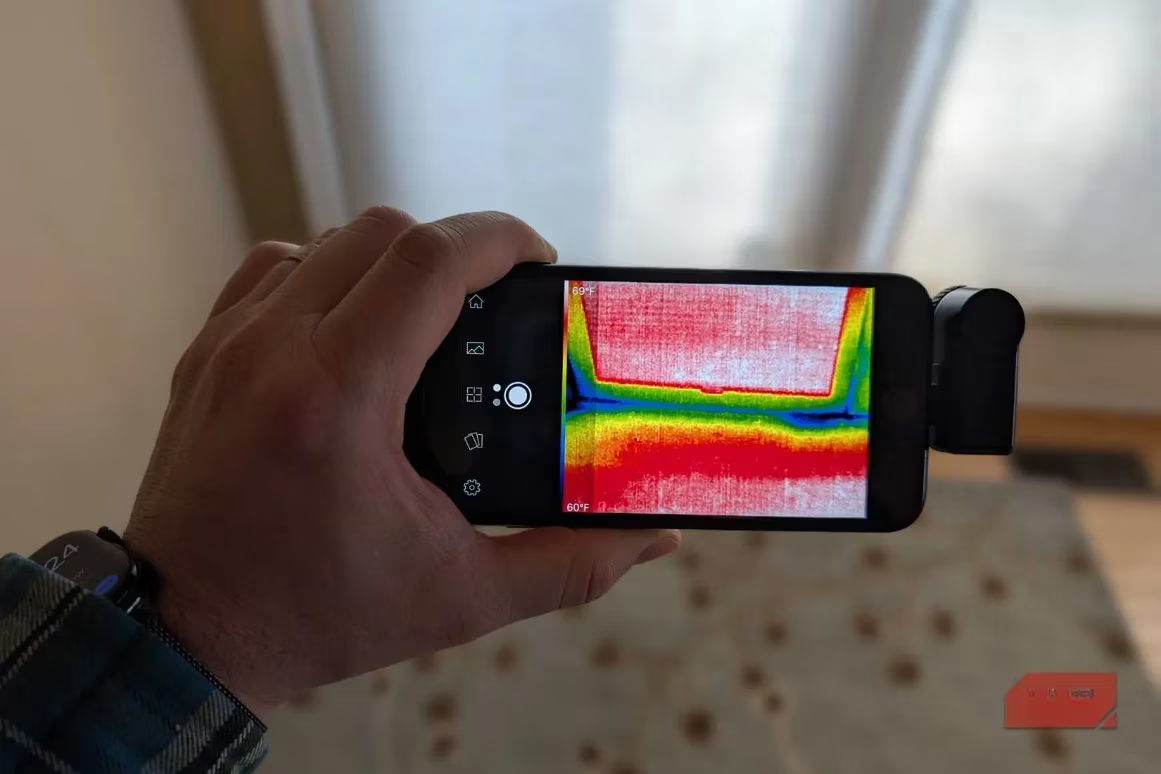
The Sneaky Secondary Leaks: Light Switches & Outlets
After conquering the doors, I thought I was done. But my thermal camera had other plans. It revealed another, more insidious source of drafts: light switches and electrical outlets on exterior walls. I was floored! These little guys were basically tiny portals to the outside world.
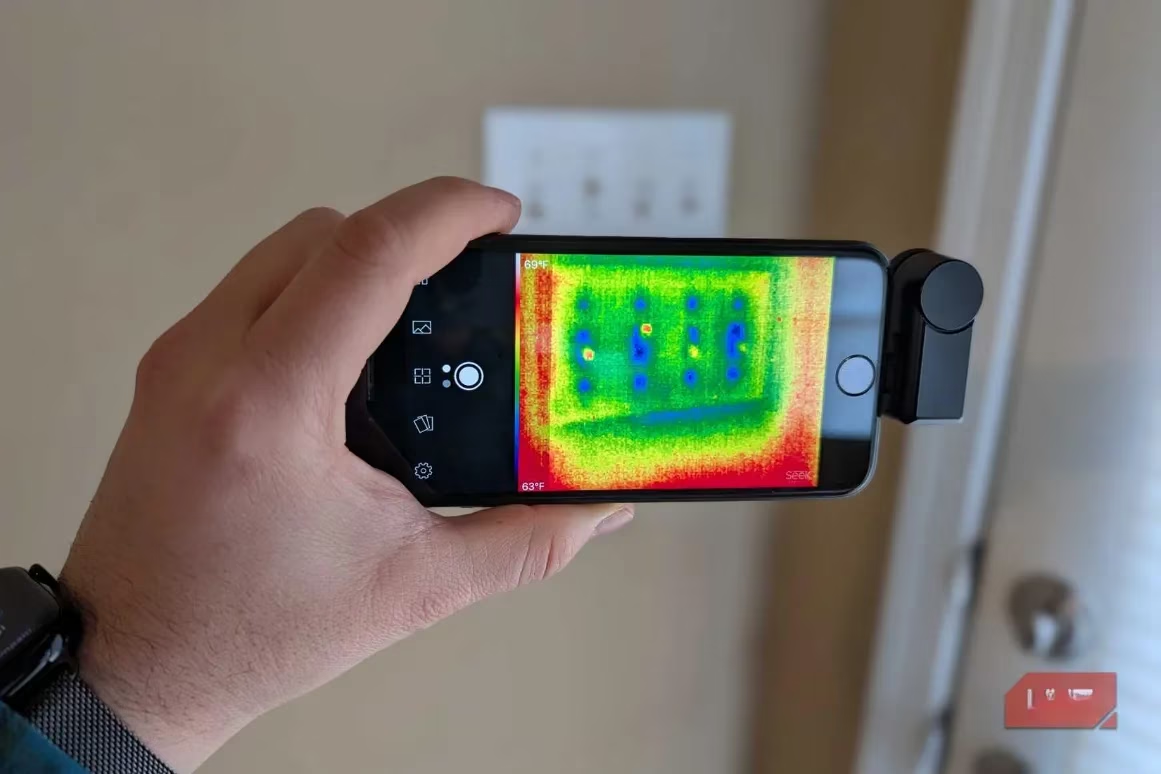
The fix for this is so cheap and easy it's almost criminal. I headed to Home Depot and grabbed a pack of foam gasket seals for less than the price of a fancy coffee.
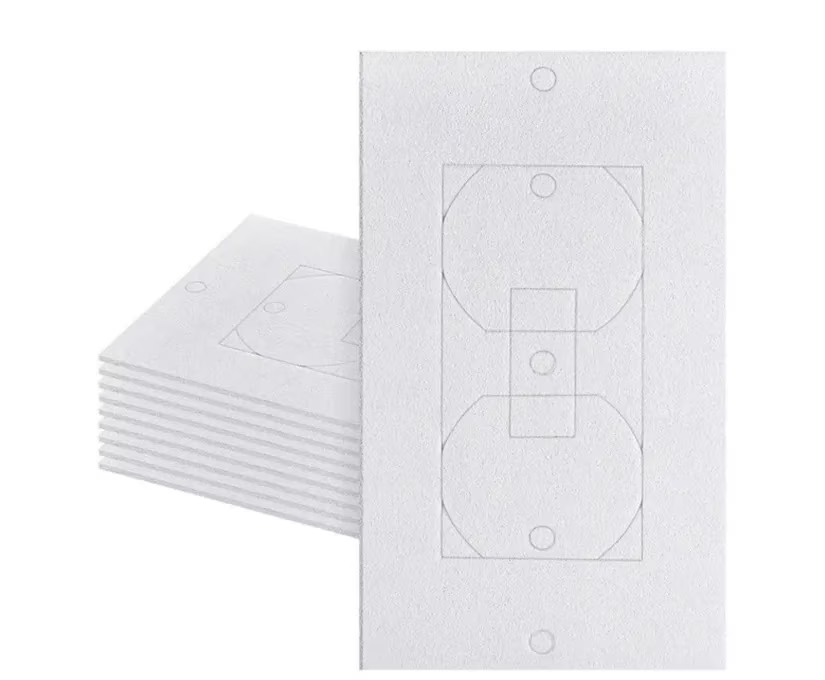
Safety first, people! Turn off the electricity to that circuit at the breaker box. Then, just:
-
Remove the switch plate with a screwdriver.
-
Place the foam gasket over the switch or outlet.
-
Screw the plate back on.
Boom. Draft eliminated. It's a five-minute job that pays for itself instantly.
My Arsenal of Draft-Stopping Tools
Once you start hunting with a thermal camera, you become a home efficiency ninja. You'll need a toolkit. Here’s my go-to list of inexpensive, high-impact fixes:
| Tool | Best For | My Experience |
|---|---|---|
| Spray Foam | Gaps around pipes, wires, and large cracks in framing. | The nuclear option for big holes. Messy but incredibly effective. |
| Caulk | Sealing stationary gaps around window frames and trim. | The painter's tape of weatherproofing. Perfect for clean, finished seals. |
| Weatherstripping | Movable gaps around doors and windows. | Self-adhesive foam tape is a lifesaver for window sashes. |
| Rope Caulk | Temporary seals for windows you might open in spring. | Old-school, cheap, and removable. Great for renters! |
| Foam Gaskets | Electrical outlets and switches on exterior walls. | The undercover hero of my mission. So easy, so effective. |
Head to your local Lowe's or Home Depot—they have entire aisles dedicated to this stuff in 2026. It's like a candy store for home efficiency geeks. And when in doubt, I just searched YouTube for "how to fix [specific leak]"—there's a tutorial for everything!
The Bottom Line: Quantifying the Win
Can I give you an exact dollar figure I'm saving? Honestly, it's tough. My gas bill last winter versus this winter? Let's just say the difference is more than enough to justify the initial investment. But the real win isn't just the money; it's the comfort. My house no longer feels like it's breathing in the winter wind. It feels solid, cozy, and under my control.
The Budget-Friendly Alternative
Now, I sprung for the Seek Thermal camera (around $249), and its 320x240 resolution is crystal clear. But if you want to get in the game for less, there's a solid alternative: the FLIR thermal camera. In 2026, you can often find it on sale for between $159 and $214. It works the same way with iPhone and Android.
The main trade-off? Resolution. The FLIR shows a 160x120-pixel image, which is half the detail of the Seek. But here's the real talk: It doesn't matter one bit. You're using this thing to find big blobs of blue cold air, not to read the fine print on a contract. For quick, targeted leak hunts, the FLIR is a fantastic and more affordable entry point.
So, there you have it. My journey from a draft-despising, bill-paying victim to a thermal-vision-wielding, energy-saving champion. This isn't just about being handy; it's about taking back control. Grab a camera, find your leaks, and seal them up. Your wallet—and your toes—will thank you. Trust me, it's a total game-changer. 🏆